Foodbuzz

Tuesday, December 13th, 2011

lose baby weight

(This pic is from the day before Lucy’s arrival…though at the time I thought I had 2 weeks to go!) 

Lucy is almost 9 months old, and although the weight I gained during pregnancy is mostly gone, I still don’t feel quite like myself.  Due to a crazy schedule and always being pulled in different directions, healthy eating and exercise still escape me on many days.  Though I know what I should be doing, it doesn’t always happen, and this prevents me from feeling my best.

Whether you’re in my shoes, have a lot or a little weight left to lose, or just want to gather support and motivation from a community of busy moms who face similar struggles, our Lose the Baby Weight program is for you.  It doesn’t matter if you have a newborn, a toddler, or older kids — any mom looking to practice healthier habits is welcome in this program.

Have questions about Lose the Baby Weight?  Here are some answers.

What will I learn in the program?

  • How to eat more to lose weight
  • Exercise – best forms and how to fit it in
  • Motivation
  • Goal setting
  • Emotional eating
  • Grocery shopping and meal planning
  • How to break bad habits
  • Food trends – what’s fact & what’s fiction?
  • And much more…

Will I get any individual help?

Yes!  Everyone will have the option to get specific, individualized help from me if she wants it.  I will also be available via email to answer any questions at any time.

Are there any in-person events or is everything online?

Everything is online, which is why it’s ideal to do this program with a friend or two in your area!  This way, you can get together for a walk, a soup or salad swap (everyone makes a healthy dish to share, then you all go home with a handful of healthy meals for the week), or to watch/listen to the programming we have online together.   We’ll have tons of great resources for you here, but it’s always fun to buddy up in person, too.

How will I connect with other moms?

If you don’t have a friend doing the program, don’t worry!  We have a forum where you can ask questions, post resources, offer your tips, or simply socialize with people in your same situation.  We will also have some new interactive components to the program, so you can “meet” moms in other cities.

When are the classes?

We will have seven online classes (webinars), day and time TBD depending on when most of you are available.  If you miss a class, or can’t make the selected class time, all webinars will be recorded and accessible anytime on our site.  We’ve perfected our system so the recorded versions will be up right after the live class is held.

How much does it cost?

$79.  For everything.  All classes, exclusive recipes, mom-specific tips, unlimited individual help via email, opportunity to learn from renowned fitness experts, discounts on food & exercise products, and tons of free swag for you & your tot.  You won’t find a better deal anywhere!

Sign Up Here

Didn’t find the answer to your question?  Find more info on our Lose the Baby Weight page.  Or email me here.  Look forward to seeing some of you in January!

Tuesday, December 6th, 2011

holiday weight gain

There was a stellar article in the Huffington Post a few days ago about willpower’s ineffectiveness when it comes to healthy eating.  We all technically have willpower, but it’s a limited amount and when it runs out, we usually end up overeating or indulging more than we would have if we’d never restricted ourselves in the first place.  This phenomenon is especially true during the holiday season, when temptation is everywhere we turn.  Instead of relying on willpower to prevent holiday weight gain this year, try these straightforward strategies by Manuel Villacorta, founder of Eating Free:

1) Let me say it again: Willpower. Will. Not. Work. We need to start by just facing reality. There is a lot of tempting but unhealthy food in the world, and in our culture it’s made very freely available. If your plan is to simply hang around in the midst of all that food but resist it through willpower — or maybe superpowers — you are going to crack. If you crack, and then try to make up for it by more willpower — i.e., starving yourself — you are going to overeat even more. Deciding to eat like a bird for the entire holiday season — or in general — is going to lead to overeating, or even binges.

2) Don’t depend on the gym. So often people think that if willpower fails (and it always does), they will just make it up at the gym the next day. But unfortunately it doesn’t always work that way. The one hour you spend at the gym killing yourself on some machine can amount to a drop in the bucket if you’re overeating. Of course, it’s good to exercise. But I believe that relying on sweating to make up for overeating both doesn’t work and perpetuates the willpower myth. Better, again, to look forward to the next day’s nutrition, and be honest with yourself about the fact that healthy eating will require more than willpower. In fact, it will involve a good housecleaning…

3) Clean house. Whether at the holidays or any other time of year, if there is temptation in your environment you are sooner or later going to give in to it. There is a lot of unhealthy food out there in the world — so why have it in your house? Avoid bringing home leftovers from dinners and parties, but also eliminate sweets, treats, processed foods and packaged foods — none of these belong in your home, even if you believe you can resist them. It only takes a moment of temptation to find yourself nosing through a box of treats, half-unaware of what you’re doing. Put up some barriers between you and unplanned calories. For example — make a rule that if you want to eat it, you have to cook it first. And “cooking” doesn’t mean microwaving a frozen pizza. Throw out all of the processed snacks and quick calories and instead go shopping for real food. And that brings us to…

4) Go shopping. Once you’ve cleaned up your environment and tossed out the temptations, you do not just hunker down to starve. Instead, you go shopping. Again, you should not be trying to live in a world of willpower where you struggle to avoid ever eating anything, and only take on calories when your willpower collapses (so many people eat this way). Rather, you want to be thinking about what would be foods you would want to eat through the week, and that ideally can be easily cooked up in batches, so that you can do a lot of cooking at once. If you have not already, go shopping and lay down provisions of lean meats, legumes, vegetables, rice: staples you can use through the week to keep yourself fueled.

5) See the silver lining. Not relying on willpower means that you can forget about your low-carb, low-fat, no-whatever diet — which is what most of us do over the holidays anyway. But that’s a good thing, and not just at this time of year, but in general. Food-group denial diets are a bad idea to begin with. Like willpower, the magical metabolism diet is a myth. What you need is just food — real, healthy food. If you don’t rely on willpower, you are less likely to binge — and thus won’t need the kind of restrictive diets that you may have been using.

Monday, November 28th, 2011

nutrition facts label

I frequently get reader requests for the nutrition information for my recipes.  While I love to make my readers happy (!!), I purposely don’t provide this information on my blog, because I don’t feel that calorie counting or tallying up nutrients in a mathematical way is “eating made easy.”  I do believe it’s important to know what and how much you’re eating, especially if you’re trying to lose weight, but this is my preferred method of achieving that.

Here are answers to some of the questions I’ve gotten from readers….

Why don’t you provide calorie information for your recipes?

Because counting calories, fat, carbs, protein, etc. takes away the joy of eating for me, and for most people I know.  Eating habits have to be pleasurable in order to last.

How can I maintain a healthy weight without calorie counting?

It’s essential to have an sense of how much you’re taking in and burning off if you’re gaining or unable to lose weight.  If you have don’t know much about nutrition, I recommend starting off with a system like Weight Watchers, which teaches you about the nutritional value of foods by using a Points system.  After you see results and learn some nutrition basics, you’ll be able to maintain weight more easily without counting anything.

How do you maintain YOUR weight?

On most days, I eat tons of vegetables and fruits, and less of everything else.  I don’t view this as a chore, but a pleasure.  Of course I love ice cream, chips, and margaritas as much as the next person, but I also love “healthy” foods, so I focus on those with other stuff lightly sprinkled in.

What do you do when you notice you’re gaining weight?

Usually, I can quickly figure out why I’ve gained a few pounds (haven’t been exercising, have a Costco-sized box of Cheez-its on my counter, etc).  When I need a nutritional kick in the pants, I just aim to replace some of what I’m currently eating with vegetables and fruits.  I also watch my dessert and white bread intake – which tend to be the biggest culprits for me personally – and try to boost my physical activity.

Are there any “diets” you recommend?

I frequently refer people to Weight Watchers, but I don’t consider this a diet – it’s more of a user-friendly training program to learn about healthy eating.  Besides that, not really.  Any “diet” that’s heavily restrictive or suggests eliminating certain food groups may help you lose weight, but the diet (and the weight loss) won’t last because it’s not practical.

Friday, November 18th, 2011

Maybe you’ve seen “high oleic oil” in an ingredients list on a package of your food lately.  But what exactly is it and is it healthy or unhealthy?  Here are some quick facts about high oleic (canola, sunflower, corn) oil:

What is “high oleic” oil?

High oleic oil is any oil that is high in monounsaturated fats.  Olive and canola oil are naturally high in monounsaturated fat, but they are also high in polyunsaturated fats which mean they are not very shelf-stable.  In recent years, scientists have developed sunflower (and other) oils that are bred to be high in monounsaturated fats and low in polyunsaturated fats so they can be used in products that need to be shelf-stable.

Why do food companies use high oleic oil?

In the past, food companies used hydrogenated oils (trans fats) to keep food shelf-stable and preserve flavor.  When companies had to stop using trans fats, they switched to high oleic oils or palm kernel oil to make their food last longer for customers.  These oils are often used in packaged baked goods (packaged cakes, cookies, etc), as spray coating for cereal, crackers and dried fruit; and in non-dairy creamers as well as many types of frying.

Is it healthy?

As far as we know, yes.  High oleic oil is high in unsaturated fat, low in saturated fat, and has no trans fat.  The large amount of monounsaturated fat in high oleic oil has been shown to lower LDL cholesterol (the bad kind) without lowering HDL cholesterol (the good kind).  When LDL cholesterol goes down, so do the risks of heart disease, heart attacks, and stroke.

Should I buy foods made with high oleic oil?

Only packaged, processed foods will contain these oils.  It’s best not to rely too heavily on these types of products anyway, and to focus on eating mostly whole foods.  But if you’re going to buy packaged, processed food sometimes, then yes, look for the term “high oleic sunflower (or other) oil” in the ingredients list.  This is a much better option, as far as we know, than trans (hydrogenated oil) and saturated fats.

Image source for above.

Monday, October 31st, 2011

farm bill 2012

You may not think you’re interested in farming or the Farm Bill, but the truth is this bill has more of an impact on our food system than anything else.  If you eat, you’ll want to pay attention!

The following is from Food Democracy Now — it offers an easy way for you to fight for safe, healthy food:

For the past several weeks, rumors of a “Secret Farm Bill” being hatched behind closed doors in Washington by only a handful of legislators and industrial agriculture lobbyists have been leaking out of Congress. Right now 4 members of the House and Senate ag committees are meeting to rush the 2012 Food and Farm Bill to the Super Committee and steal any chances for reforms for local, organic and healthy food until the next Farm Bill comes up in 2017. Please make an urgent call to the listed leaders of the House and Senate ag committees today to tell them to say no to corporate greed and NO to the “Secret Farm Bill”.

We know not everyone enjoys making calls, but they make the biggest impact. We’ve made it super easy with a simple script and stopping the “Secret Farm Bill” is vital for the future of our food, health and democracy. Make sure they hear your voice today. If you can’t reach the listed Senators or Congressmen, please call your own by dialing the Senate switchboard: (202) 224-3121 and the House switchboard: (202) 224-3121

If you don’t want to make a call, you can also sign your name here.

Friday, October 28th, 2011

best yogurt for babies

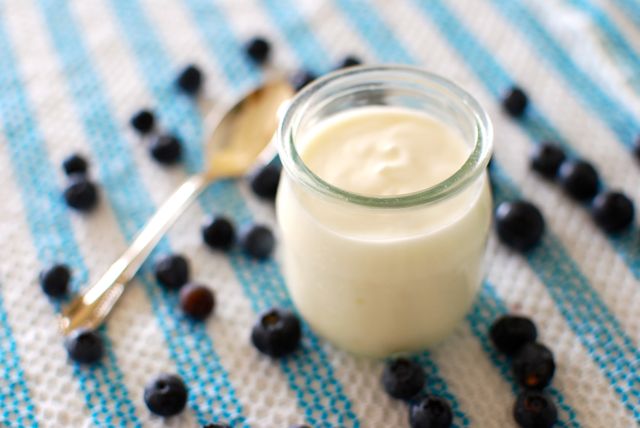
Babies don’t need any dairy beyond mother’s milk (or formula, if need be) until they’re 9-12 months old, at which point they may require protein from other sources.  Some people do choose to introduce yogurt as early as 6 months, which is fine too.  Since yogurt is cultured and contains probiotics, it’s safe for babies over 6 months.

Plain, organic, whole milk yogurt is the best choice for baby, since it has no added sugar and the most nutritional bang for mom’s buck.  When I start feeding Lucy yogurt (sometime in the next month or two), it will be a mixture of these brands, which I already love and trust:

1.  Stonyfield Farm YoBaby in Simply Plain.  There’s nothing baby-specific in this yogurt, but it comes in convenient individual containers, which is nice for on-the-go snacks.  Four ounces is too big of a serving for a baby, but it’s a great size for toddlers and older children, and you can easily save (refrigerated of course) what your baby doesn’t eat for a little later.

2.  Straus Organic Plain Whole Milk Yogurt.  One of my favorite brands of dairy, Straus produces a European style yogurt which is a little thinner and a little more sour than the American plain yogurt you might be used to.  It’s absolutely delicious, and the consistency is great for babies who don’t care for thicker foods.

3.  Brown Cow Cream Top Plain.  This brand is American Humane Certified, which means the cows who produce the milk for this yogurt are well-treated and sustainably raised.  Brown Cow’s flavored cream top yogurts are pretty tempting, but stick to their plain version for your baby.

4.  Clover Organic Farms Cream on Top Plain.  Also American Humane Certified, Clover’s farms in Northern California give dairy cows a very happy life – which translates to a very delicious yogurt that you can feed your baby without guilt.  (For you moms & dads – their Mocha and Tropical flavors make a killer dessert or afternoon pick-me-up!).

best yogurt for babies

There are a handful of other companies that produce great plain yogurt.  So if you don’t find these in your area, choose the local brand you like best – as long as it’s organic or sustainably produced, it’ll be a healthy choice for your baby.

Note – these are all yummy, nutritious yogurts for older kids and adults too!

Tuesday, October 25th, 2011

food day

Yesterday was “Food Day” – a day created by Center for Science in the Public Interest to help move America toward eating real food (as opposed to mass-produced and packaged foods created in a lab).  Here are the 6 Food Day goals:

food day

There are many ways you can participate in Food Day, everyday!  (This is kind of like Earth Day, where year-round activities help further the mission).  Here are some ideas.

As part of Food Day, CSPI put together a list of Ten of the Best and Worst Aspects of America’s Food Scene.  Below are both the “Terrible 10″ and “Terrific 10.”  (Here are brief explanations of why each of the items made the lists, if you want more info).

Terrible Ten

  1. Coca-Cola
  2. McDonald’s Double Quarter Pounder With Cheese
  3. Salt
  4. Feedlot beef
  5. Froot Loops
  6. Jack DeCoster’s egg farms
  7. Lobbyist groups
  8. Subsidies
  9. White Flour
  10. Junk Food Vending Machines

Luckily, there are lots of good things going on related to food, as well…

Terrific Ten

  1. Water
  2. Traditional Mediterranean and Asian diets
  3. New York City’s health department
  4. Sustainably and organically grown foods
  5. First Lady Michelle Obama
  6. Farmer’s Markets
  7. Breastfeeding
  8. Coalition of Immokalee Workers
  9. Federal food programs
  10. Dietary Guidelines for Americans

What are some of your own favorite (or most hated) food trends?

Leave a comment below with your thoughts!

**images sourced from foodday.org**

Friday, October 21st, 2011

vacation weight gain

This is a question I get a lot:

I just returned from a weekend away that involved a lot of (over)indulging in delish food.  It was fun while it lasted but now I’m craving my routine of (mostly) healthy food.  I’m tempted to do some kind of “cleanse” to get me back on track but am hesitant because it doesn’t sound like much fun, not to mention that most real medical professionals discourage such extremes.  What steps do you take to get yourself back into your healthy routine after “vacation eating?”

I know just how you feel!  Here’s what I do, and what I’d recommend to get back to feeling your best.  (I guess you could call this a healthy, non-extreme “cleanse”).

  1. Cut back on sweets, processed snacks, and meat. You could even give these foods up for two weeks, to allow your body to readjust to a new healthy routine, and to reduce cravings.  Just don’t plan to give these up completely forever–it won’t last.
  2. Eliminate alcohol for awhile, or reduce to 1-2 drinks per weekend, and no alcohol during the week.
  3. Reduce your reliance on caffeine. If you feel you need a little, have one cup of coffee or tea in the morning, then stick to caffeine-free beverages for the rest of the day.  You’ll adjust after a week or so, and will sleep better and have more natural energy. (I must admit, I am not currently following this advice, thanks to little Lucy!)
  4. Eat more fruits and vegetables. This does not mean add lettuce to your cheeseburger, but rather replace some of what you’re eating now with vegetables.  If you normally have meat, mashed potatoes, and a vegetable for dinner, replace the potatoes with another lower calorie vegetable and choose a leaner meat.
  5. Don’t drink your calories. Stick to water and other calorie-free beverages like sparkling water, herbal tea, iced tea, and the occasional diet soda if you’re craving a treat.
  6. Avoid doing anything extreme. If you give up foods you love completely, you won’t stick to your new plan.  You’ll eventually (probably sooner rather than later) revert to your old habits, and you’ll gain weight back, feel fatigued, get lazy, etc.
  7. Take baby steps. It takes time to make changes that become habits.  From this list, pick something you’ll start with and go from there.  Make mini-goals that are specific and realistic so you don’t feel overwhelmed.  For example: this week I will eat plant-based dinners. Or, this week, I won’t bring any unhealthy foods into my house, to reduce temptation.

These tips are also helpful for getting back on track after indulging in holiday meals and parties, so keep this list handy for these upcoming months!

Wednesday, October 19th, 2011

motivation

Regardless of whether you’re trying to lose weight or simply maintain healthy eating and exercise habits, it can be hard to motivate sometimes!  We all fall into ruts where making a healthy lunch, getting to the gym, or choosing an apple over Cheetos seems too hard.  So what can you do to really motivate and get back on track?

1.  Make a commitment!  Odds are low that everything you’ve ever wanted in life just falls into your lap.  Getting what you want takes time, effort, and commitment.  If you really want to eat healthy, decide to do it and don’t look back.

2.  Start a food and exercise diary.  Writing down what you eat and when/how much you exercise is the best way to:

  • Become aware of your current habits (you may think you already know, but it’s amazing how much you learn when you see it on paper!)
  • Set small, measurable goals that add up to your larger goals (for example, “order coffee at breakfast instead of a latte” is a small goal that over time will lead to weight loss)
  • See progress and celebrate your successes!

Technically all you need to keep a food/exercise journal is a pad of paper and a pen, but if you want to have a little more fun with it, I suggest getting a fitbook.  Fitbook is a handy little journal that helps you set goals and provides you with inspiration and motivation while you work toward them.  It seriously turns journaling from a chore into something I look forward to!  Plus, 75% of fitbook users see results within 12 weeks!

3.  Reward yourself.  When you meet small goals, give yourself a treat!  Not a brownie or margarita marathon, but something non-food that you would really look forward to.  Set up a reward system where you get small rewards for meeting small goals (maybe an hour on the couch with an US Weekly, a long walk with a friend, watching your favorite show on TV), and bigger rewards for bigger goals (a new pair of jeans, a weekend away with your husband, hosting a party, etc).  Give yourself the opportunity to earn the things you love!

4.  Allow for ups and downs.  There will always be days or weeks when you don’t meet your goals for whatever reason, but don’t let this diminish your motivation to continue on your path.  No one’s perfect, and the sooner you’re able to forgive yourself for a slip-up and get back on track, the sooner you’ll be re-motivated and the sooner you’ll see long-term results!

Losing and maintaining weight is hard work.  But it’s SO WORTH IT.  Keep on plugging away – you’ll be glad you did!

Tuesday, October 18th, 2011

YouTube Preview Image

I wasn’t planning to give Lucy fruit until a little later (when I deemed her to be IN LOVE with all green veggies), but it recently became apparent that she needed some prunes in her diet….I’ll spare you the details.  So, I cooked a handful of organic prunes in water for about 15 minutes then let them cool.  The prunes got soft enough to remove the skins and mash for Lucy, plus she got to drink the water they were cooked in.  If this sounds disgusting to you, you’ve probably never had stewed prunes!  They’re actually really good.  So good, that for dessert the last few nights, I’ve had a couple of these with a drizzle of melted dark chocolate chips…what a treat!

Clearly, Lucy thought prunes were a treat too.  Here’s to hoping she’ll continue to love peas….

Thursday, October 13th, 2011

kelly ripa electrolux

OK.  I just can’t hold it in any longer….

HERE’S MY INTERVIEW WITH KELLY RIPA!!!!!!!!

and…..

HERE’S YOUR CHANCE TO WIN AN ELECTROLUX INDUCTION COOKTOP!!!!!!

A few weeks ago I had a lovely phone conversation with one of America’s favorite women – who by the way, is just as warm, friendly, and approachable as she seems – about comfort food and how it fits into a busy, modern lifestyle.  Like many of us, Kelly is incredibly busy, but with the help of Electrolux she still finds time to cook and eat with her family every single night.  Pretty cool.

Kelly and Electrolux just launched a new Comfort Food Made Easy campaign, which features the ridiculously fast Electrolux Induction Cooktop (boils water in 90 seconds!) and benefits the Ovarian Cancer Research Fund (OCRF).  During the campaign, food lovers everywhere can share and vote for their favorite comfort foods on Kelly-Confidential.com.  Every time you share or vote for a recipe on Kelly Confidential, Electrolux will donate $1 to OCRF, and you’ll be entered to win a FREE ELECTROLUX INDUCTION COOKTOP!!!!!

Head over to the site to start drooling over comfort foods (mac ‘n cheese, anyone?) and for your chance to win!

Now, here’s my interview with the extraordinary Kelly!

Amelia: We all love comfort foods. What are your own favorites?

Kelly: When I think of fall, I think about comfort food – and that usually means my mashed potatoes.  This is really the one thing that I never skimp on.  I’m talking real butter, cream, salt, all the real stuff, and I just can’t get enough of it.  I don’t eat these very often, but for big family meals and holidays, these are my go-to.  They remind me of my childhood, of Thanksgiving, and of spending time with family.  This dish really brings me back.

AmeliaMany comfort foods involve long, slow cooking processes, which are fun on occasion, but not always practical.  Do you have any tips for cutting some of the work out?

KellyThere’s a great recipe that I got from Nigella Lawson‘s show – it’s kind of a take on Fettuccine Alfredo.  I do make some changes to her recipe – I use milk instead of cream, a light cheese instead of the many cheeses she puts in, but it’s an easy meal.  You just boil pasta, then use some of the pasta water, a little butter, and warm milk with your cheese to make a sauce.  You throw the pasta in with some fresh or frozen peas, and you’ve got a creamy pasta with peas.  It’s a family favorite for us – my kids and I love it.  It tastes fresh and creamy, kind of like a restaurant meal, but easier and healthier.

Amelia: Mmmm, your description of that is making me hungry.  We’re definitely into simple, easy meals on Eating Made Easy, so I’m going to give that recipe a try…though I may be tempted to add more veggies!

Kelly: Oh you could totally add more veggies — I bet spinach would be delicious.  And it’s so true, cooking doesn’t have to be so laborious – it’s just a fun way to bring family together.  That’s why I love what Electrolux is doing with their comfort food campaign.  Anyone can go to Kelly-Confidential.com and put their favorite comfort food recipes online, then people will vote for their favorites.  It’s fun and community-building, and it raises money for the OCRF, all at the same time.  Such a great opportunity, and for a good cause.

AmeliaSo Kelly, it’s clear you’re a health-conscious person.  How does comfort food fit into your healthy lifestyle?  Do you pay attention to portion sizes, balance what you eat with working out, make healthier versions of your favorite comfort foods…or a mixture of all of these?

Kelly: What I do is I exercise everyday.  Exercise is a great thing for your body and for your health, but it does make you hungrier.  So I do eat a lot – I just primarily focus on lighter foods like lots of leafy greens and salads.  I really try to limit simple carbs and high fat foods.  I save those for special occasions — family meals where everyone comes over for a visit, or holidays.  On most nights, we eat lots of veggies plus chicken or fish – very rarely red meat.  I will treat myself once in awhile with the richer foods that I love so much, just not all the time.

AmeliaLuckily, leafy greens and light foods can be really good too.

KellyIt’s true!  I especially love kale and salads.

Amelia: When you’re a working mom with a long to-do list, it’s hard to find time to sit down to family meals.  Do you have any tips for busy moms who want to make family mealtime a priority?

Kelly: I learned a lot about working, balancing my schedule, and fitting in family meals from my mother-in-law.  She taught me how to make large quantities of food to keep in the fridge for the week or dishes that can be easily frozen.  My family always sits down for dinner together – every single night.  Sometimes it’s late because of soccer practice or hip hop dance class, but we make sure to eat as a family every night.  I think it’s important time to spend together, and it helps establish good eating habits.  Family meals don’t have to be big and complicated.  You can throw together a salad or sauté up some veggies really quickly.  Healthy food that doesn’t take very long to make can be comforting too!

Amelia: Thanks, Kelly!

Kelly: Anytime, Amelia.

See?  It’s true – she’s just as friendly and down-to-earth as you think she is!

Now, on to the even MORE exciting news — you could win an Electrolux cooktop!  Be sure to stop by Kelly-Confidential.com to find recipes and share your favorites.  Not only could you win a cooktop, but you’ll be helping to fight ovarian cancer.  Have fun, help out a worthy cause and be entered to win.  What could be better than that?  (Um…an interview with Kelly Ripa!)

kelly ripa electrolux

Monday, October 10th, 2011

YouTube Preview Image

Lucy seems to like peas — score!

As I mentioned in the last Lucy post, I mostly plan to feed Lucy ground up “adult food” – unless I’m on the run or too disorganized (hmmm…that could be all the time), when I’m going to rely on my favorite baby foods, one of which is Nurturme. Here’s why I love Nurturme.

The other day, Lucy tried Nurturme peas.

introducing solid food

I’ve heard from other moms that babies either love or hate peas.  Lucy definitely fell into the Love category.

feeding baby solid foods

introducing solid foods

but I think that’s because Nurturme’s peas actually taste like fresh, sweet peas!  I tried them too (for the second time) and must admit, finished off what Lucy didn’t eat.  Yum.

feeding baby solid foods

Friday, October 7th, 2011

You’ve probably heard of the “Oprah Effect” (what happens to a product’s sales after Oprah mentions her like or dislike for it), but looks like there’s a Dr. Oz Effect too.  Although scientists and nutritionists sometimes question the truthfulness of his claims, Dr. Oz has power.  When he mentions a product, food, or supplement on his show, sales of the item tend to go up (or down) significantly in the weeks following.  This means the American people are listening to and trusting Dr. Oz as if he were their own doctor.

In general, I think this is a good thing.  Americans’ health habits need massive improvement, and Dr. Oz usually makes sound, science-based recommendations.  Of course it would be better if people did their own research after hearing something on the show, or got second and third opinions on what he claims, but beggars can’t be choosers!  One great thing about Dr. Oz is that he strongly encourages people to exercise, eat more fruits & vegetables, and reduce the amount of processed foods they eat.  You can’t go wrong with this advice, and if people take it to heart, good for them.

Do YOU trust Dr. Oz?  Would you put into practice something he recommended on his show?

*Image source*

Wednesday, September 28th, 2011

hemp seeds

When you think of hemp, you probably don’t think of something you eat!  But hemp seeds — kind of like flax seeds or chia seeds — are growing in popularity, and are now sometimes also added to cereals, bars, grain dishes, etc, as well as sold on their own.  Here’s a little more info about hemp, in case you’re interested in trying it out.

What are hemp seeds?

Hemp seeds are in the seed/nut family, and have a nutty flavor and crunchy texture, kind of like flax or chia seeds.

What’s healthy about hemp?

Hemp seeds are a great plant source of protein and healthy fat, and are rich in vitamins and minerals.  Some people say that they have more energy and improved digestion when they add hemp seeds to their diet (probably because of the fiber, protein, and healthy fat content).

Should I start eating hemp?

If you’re a vegetarian, or someone whose trying to eat more protein from plant sources, you may want to try hemp seeds.  They’re also great for people who like to sprinkle flax, wheat germ, chia seeds, granola, or nuts on top of yogurt, smoothies, oatmeal, salads, etc.  It’s always good to eat a variety of foods, and hemp is one other crunchy, healthy item you can add into your rotation.

Are there any reasons not to eat hemp?

Like all nuts and seeds, hemp seeds are a dense source of calories and fat.  Two tablespoons of hemp has about 85 calories, and 7 grams of fat (the good kind of fat: unsaturated), so it’s not something that you’d want to just start sprinkling on everything you eat, unless you reduce calories somewhere else to compensate.  If you want to try hemp, make sure that you account for the extra calories, or you’ll find yourself gaining weight slowly over time.

What can I do with hemp seeds?

Sprinkle them on yogurt, oatmeal, smoothies, and salad.  Add them to granola, baked goods, or bread.  Here are some recipe ideas.  Just remember to use hemp seeds as a replacement for other seeds/nuts you normally eat, as opposed to just adding them in as extra, since that will simply increase the calories and fat in your meal or recipe.

Do you have any recipes with hemp on Eating Made Easy?

Check back tomorrow for a Blueberry Hemp Smoothie, followed by Hemp Pancakes and Hemp Granola.  Yum!

What brands of hemp seeds are the best?

The only two I’ve tried are Happy Hemp and Manitoba Harvest.  They’re both organic, and they tasted equivalent to me, so I think either of these would be a good place to start.

hemp seeds

hemp seeds

Wednesday, September 21st, 2011

healthy lunch box

Your kids are begging for chips; you want them to eat veggies.  Snack Salad’s Snapea Crisps offer a little bit of both, so they’re a great option for your child’s school lunch.

Let me clarify that I certainly wouldn’t count these as a serving of vegetables, as their salt & fat content do make them comparable to regular chips.  But at least they’re made from a real green vegetable, resemble this veggie in size and shape, and provide more fiber than potato chips.  They also make a great “crouton” on salads, so you can use them for more than just snacking.

Stay tuned for tomorrow’s featured lunch box snack!

Tuesday, September 20th, 2011

It’s only mid-September, but odds are you’re already looking for new foods to pack in your child’s lunch — foods he or she finds appealing enough to eat!  Of course you could give in and resort to Flaming Hot Cheetos and Lunchables, but those aren’t foods that will really fuel your child for a good day at school.

So, to combat this lunchbox boredom and satisfy your desire to nourish your kids with good stuff, we’ll be featuring a healthier snack product everyday this week.  [Notice I said healthier.  The best snacks never come in packages!] Here’s the first:

Dr. Sears Popumz!

These come in sweet flavors – Caramel, Chocolate (pictured above), and Vanilla – which make the perfect substitute for a cookie or other less healthy dessert.

POPUMZ

If you want a chip/cracker substitute, try their savory flavors — BBQ, Ranch, and Cheddar.

All Popumz are pretty low in calories (90 per bag), and offer fiber and omega-3 fatty acids – something not many snack foods or desserts can claim.

Even if you’re not a youngster with a lunchbox, I think you’re gonna like these!  As with all snack and packaged foods, they should be eaten in moderation, since wholesome from-scratch food is always best.  Enjoy!

Monday, September 19th, 2011

baby starting solids

With only two weeks to go until our youngest foodie begins eating solids, I figured it was time to bust out the high chair to see how she liked it and whether she could sit up OK.  Success!  She loved being at eye level with me while I cleaned up the kitchen, and happily entertained herself with some Tupperware.

best baby foods

Now I just need to find a way to keep her feeding area pseudo-clean, since food will be slightly messier than Tupperware.  I’m thinking a huge tarp?? ;)

feeding baby solids

Remember, the fun begins October 1st, so stay tuned!

Tuesday, September 13th, 2011

metromint water

You’re thirsty.  You don’t feel like water.  But you don’t want to blow a week’s worth of sugar on one beverage, nor do you want to load up on artificial sweeteners.  What are your options?  Iced tea, iced coffee, or one of these fantastic zero-calorie beverages.

1. Metromint (pictured above).  This stuff is just water + real fresh mint, but it tastes light years more exciting than regular water, and comes in fun flavors like Chocolatemint (yes, chocolate water), Cherrymint, and more.  Perfect for satisfying your late afternoon sweet tooth, calorie-free.

2. Sparkling water with fruit essence.  This Raspberry Seltzer is my current fave, since it comes in cans that offer just the right amount (as opposed to larger bottles, which tend to go flat before you can drink the whole thing) and has a natural-tasting raspberry flavor.

3. Izze Esque Low Calorie Beverage. These do have calories, but at just 50 per bottle, not nearly as much as other sodas or juices.  One of these can tide you over til your next meal or snack, quench your thirst, and satisfy your sweet tooth all at once.

Just make sure you pick Izze esque soda, as opposed to regular Izze Soda, which contains more juice and thus significantly more calories.  Look for the “esque” under Izze on the bottle:

izze

Friday, September 2nd, 2011

raw milk

Maybe you’ve had raw milk, seen it for sale in your local health food store, or know families who swear by it.  But is it healthier than pasteurized milk?  And more importantly, is it safe?

In my opinion, no. (This also happens to be the opinion of the FDA, public health officials, and most dietitians and doctors).  Raw – aka unpasteurized – milk that is produced under extremely clean conditions at a licensed dairy and stored properly until the moment it’s consumed is probably safe.  But determining whether the raw milk you buy and consume has met all of these criteria is nearly impossible.  And the risks you’re taking by assuming it’s safety far outweigh the possible benefits of drinking raw milk.

Here are answers to some of the most common questions about raw milk.

What is raw milk?

Milk that has not been pasteurized.

What is pasteurization?

A heating process designed to kill potentially harmful bacteria (like salmonella and E. coli 0157:H7 – the most dangerous kind of E.coli) in milk.  Pasteurization also increases the shelf-life of milk because the bacteria in raw milk make it spoil faster.

Does pasteurization make milk safer?

Yes.  Before the FDA began requiring that milk be pasteurized, raw milk accounted for 25% of food and water-borne illness outbreaks.  Now, dairy products account for only about 1% of outbreaks (mostly from raw milk cheeses and improperly stored milk).

Does pasteurization remove the nutrients from milk?

Research shows that pasteurized milk is nutritionally similar to raw milk.  Proponents of raw milk argue that food in it’s most natural form is always more nutritious, and that the heating process makes pasteurized milk less nutritious.  This may be true, but since Americans get a wide variety of nutrients from a wide variety of foods, the benefits of drinking raw milk do not outweigh the risks.

Why is drinking raw milk risky?

Milk that has not been pasteurized can contain harmful bacteria such as Salmonella, E. coli, and Listeria, which are responsible for causing numerous food-borne illnesses.  These bacteria are especially dangerous for children, pregnant women, and the elderly, and can lead to hospitalization, kidney failure, and even death.

Why do people drink raw milk?

Some people believe that raw milk tastes sweeter and fresher, and that it’s nutritional properties can help various health conditions.  Farmers who produce raw milk may also feel that it is safe due to their careful attention to cleanliness and safety.

Is it legal to sell/buy raw milk?

Every state is different.  Here’s a map which describes the specific laws in each state.  (Please note: this map is produced by an organization in favor of raw milk consumption).

So should I drink raw milk?

Every person or family needs to make the decision they feel most comfortable with.  Personally, I will not be buying raw milk, and after seeing a friend of mine’s child suffer from E.coli and kidney failure after drinking raw milk, would never give it to a child.  But, this is an individual choice.

**source for image above**

Thursday, August 25th, 2011

what is orthorexia

If you caught The Today Show this morning, you may have heard the term Orthorexia for the first time.  Though not listed in the official Diagnostic and Statistical Manual of Mental Disorders (DSM) as an eating disorder, it is a real condition characterized by an obsession with healthy eating, and mostly affects women.  Someone with Orthorexia might display any or all of the following symptoms:

  • Very restricted diet — many foods are forbidden because they’re perceived to be unhealthy
  • Self-diagnosed sensitivities or “allergies” to certain foods, not because of a doctor’s diagnosis or medical test result
  • Inability to be flexible in new eating situations or social settings — might bring own food when eating with others
  • Emaciated body type or exceedingly skinny
  • Overly interested in nutrition, food, and/or new dieting trends

If you’re thinking that these symptoms seem similar to those of Anorexia Nervosa, it’s because they are.  So much so that many professionals argue that Orthorexia is the same as, or a predecessor of Anorexia, and thus shouldn’t be thought of as a separate disorder.

Personally, I believe that Orthorexia should be given more attention.  With so much food information (and misinformation) constantly being thrust at consumers, it’s hard not to become a little obsessed.  Many people begin to believe that Food A is toxic, or they’re allergic to Food B, or that Food C makes them fat, etc.  If this unhealthy relationship with food or obsession with healthy eating is recognized and treated early on, perhaps we can prevent more women from falling down the slippery slope of a paralyzing eating disorder that’s nearly impossible to cure.

Friday, August 19th, 2011

weight loss

Here on Eating Made Easy, we frequently get questions about how the latest diets, food trends, and new products help (or don’t help) with weight loss.  We love being your go-to for questions, since there’s so much information out there to fish through and its often hard to determine fact from fiction!

We’ve covered a number of weight loss topics on this site, and wanted to share some of our most popular posts, since many of the same questions come up again and again.  Here are a few our most popular weight loss articles.  Hope you find them helpful, and keep those questions coming!

How to Stop Yo-Yo Dieting

Planning Ahead: The Secret to Keeping Weight Off for Good

Preventing Weight Gain in the Face of Temptation

5 Health Foods that May Be Sabotaging Your Diet

Tips to Prevent Overeating

Sunday, August 7th, 2011

juice cleanse

Detox diets, cleanses, juice fasts…they’re all the rage!  But do they work?  Unfortunately, no.  And they can actually cause more harm than good.  Here are five reasons why you’re better off just sticking with moderation:

1.  You already have a built-in detox system. Your liver, kidneys, lungs, and skin work diligently everyday to prevent toxins and other harmful particles from settling into your body tissue.  What you eat and drink is definitely important for long-term health, but skipping meals, drinking homemade elixirs, or juicing your food won’t aid these organs in their efforts to “cleanse” your body.

2.  Diarrhea is not a sign of internal cleanliness. Many people believe that if they can rid their body of recent indulgences via “flushing,” their body becomes a clean slate.  But this isn’t how it works.  The only thing diarrhea will do is eliminate the stored vitamins, minerals, and beneficial bacteria that live in the gut and help body systems function properly. (Not to mention cause extreme discomfort and excessive time spent in the bathroom).

3.  You’ll gain any weight you lose back, and probably more. If you lose weight on a cleanse or fast, it’s due to severe calorie restriction.  When you start eating normally again, you’ll regain the weight.  And because your body is confused by the drastic changes in intake, your metabolism may change, making future weight loss and maintenance more difficult to achieve.

4.  It’s hard to function on a cleanse. If you’re only eating 500 calories a day, you’ll be very low on energy.  Exercise is nearly impossible and even everyday tasks are hard to complete on this little food intake.  Note: some people do report that they have more energy or “feel great” during the first few days of a cleanse, but this is probably because they’re off alcohol and caffeine, are well hydrated, and were eating so badly before that the body is welcoming a change of any sort.  But it won’t last.

5. Cleanses aren’t sustainable. Whenever you make a dietary change, it should be one that you would feel good about sustaining long-term.  That’s how healthy habits are established, and how they help you achieve good overall health.  Cleanses are so extreme that there’s really no chance you could (or should) maintain one for very long.  So better to take more moderate actions to clean up your diet; not only will you have more success with weight loss, but you’ll also enjoy your life more!

**image above from this site**

Saturday, July 30th, 2011

eat healthy on vacation

Traveling can really throw a wrench in your healthy eating routine, which means you may return from a trip feeling bloated and sluggish instead of relaxed and refreshed.  Yuck!   So before you go, plan to follow these simple tips.  You’ll still get to enjoy yourself and indulge a bit, but you’ll also come back looking and feeling your best!

1. Choose your indulgences wisely. If you want a fruity cocktail by the pool, skip the fries at lunch.  If you want dessert after dinner, have a salad or veggie-heavy appetizer for your entree.  You can splurge on something everyday, you just can’t splurge on everything everyday.

2. Be active. Toss a frisbee on the beach.  Jump in the waves with the kids.  Play volleyball in the pool.  Head out for a family hike.  And walk as many places as you can.  Burning calories on vacation isn’t a chore, it’s fun!

3.  Limit alcohol. Don’t worry, you can still drink!  Just keep in mind that alcoholic beverages are “empty calories,” and may lower your inhibitions causing you to eat unhealthy foods or eat more in general.  So drink plenty of water between cocktails, and limit your consumption to a couple drinks per day.

4. Eat the local cuisine. Every part of the world has their own culinary specialties, usually based on what produce is in season.  Try as many local fruits & veggies as you can, and order unique salads and other veggie-heavy foods when eating out.  You just may find your newest favorite food!

5. Pack your swimsuit or a fitted outfit. This may sound silly, but if you have to spend the day in a swimsuit or wear tight jeans out to dinner one night, you probably won’t be as tempted to overeat.  Bring a couple “skinny” outfits that will motivate you to keep your shape while away on vacation.

Now, have fun!!!

Tuesday, July 26th, 2011

kids food recipes

I’m not sure how “kid food” actually came to be.  Did it begin with kids asking for “plain” or was it perhaps parents thinking their kids wanted bland food?  Then the question became, how did kid food segue into ground up chicken parts, formed into cartoon shapes then breaded & fried?  Or unusable bits and pieces of beef and pork ground up, packed into casing and place on a bun with ketchup?  How did “kid food” become so unhealthy?  As a children’s nutrition advocate this is a question I ask myself daily.  How did our culture determine that the appropriate food for kids should be full of sugar, unusable parts of animals, or deep fried in hydrogenated oil?  It’s time to take back processed “kid food” and start making “healthy food for kids”.

How can we now take our kid’s food Out of the Box and begin making fresh?  I think you’ll be surprised at how easy that actually is. I’m going to share a couple of tricks & recipes to help ease the transition from boxed kid food, to fresh, homemade food for kids.

The first step to making easy kid food from scratch is to level the playing field.  If our children rely solely on “kid food” such as hot dogs, chicken nuggets and macaroni and cheese for their meals, we as parents are forced into the role of short-order cook.  Start offering one meal for the whole family.   If dinner is baked chicken for us, then dinner can be baked chicken for them.  Think of how often our children try to emulate us.  They put on our shoes to traipse around the house, they use expressions they hear us using, they want to be big.  Make it a privilege to eat grown-up food.

Let’s take a look each meal of the day:

Busy school mornings. How many of us turn to frozen waffles and pancakes that easily pop into the toaster for a quick weekday breakfast?  I understand the ease of these boxed products, but why not make a batch and freeze them to use just as you would a boxed waffle or pancake.  I am going to give you a fresh, whole wheat & flax pancake batter recipe that can be baked up in a waffle iron, or on a griddle, cooled, frozen and then popped into your toaster for easy weekday mornings.  This Out of the Box Food Waffle & Pancake recipe is full of whole grain, omega-3s, and protein which will fuel our children for the active day that awaits them.

Lunch and Dinner. How about chicken nuggets that don’t involve turning to a box of cartoon shaped, pressed chicken parts?  Here’s a fresh chicken nugget recipe — made with organic chicken breasts, breaded in whole wheat flour, and baked with olive oil — that you can keep in the freezer and quickly reheat for occasional treats.  These Out of the Box Food Chicken Nuggets are whole, real food made with quality ingredients you put together yourself.

Dessert. It doesn’t need to mean junk.  There are so many ways to offer sweet treats without sacrificing nutrition. Boxed cookies and other processed treats can contain potentially harmful ingredients and loads of sugar.  By baking fresh we not only avoid artificial ingredients, but we can limit the sugar and include whole grains and other nutritious ingredients.  These Out of the Box Food Mini Banana “Cupcakes”, turn the word cupcake into a synonym for nutrition.  With only 1/3 cup of added sugar for the entire batch, these cupcakes offer whole grains, heart healthy flax meal and fresh fruit.  When topped with 72% dark chocolate chips or a sour cream frosting, this wholesome snack is elevated into a special dessert treat without compromising nutrition.

I’m on a journey to bring nutrition back into our kids’ food.  I hope you’ll join me by taking your kids’ food Out of the Box.

Out of the Box Food creator, Kim Gerber, is a Los Angeles mom, home-cook and Children’s Nutrition Advocate with a focus on feeding children healthy, unprocessed food.  For more processed food comparisons and fresh alternative recipes visit www.outoftheboxfood.com

Saturday, July 16th, 2011

One out of three kids in the U.S. is now overweight or obese.  This is scary not only because of the long-term health problems these children will face, but also because the enjoyment of their childhood might be compromised by teasing, feeling bad about themselves, or not being able to be as active as their peers.  Most parents of overweight children want desperately to help their kids achieve a healthy weight, but are unsure how to get started.  Weight loss is a delicate topic for anyone, but especially for kids whose self images are perhaps already damaged, so it’s important to approach the subject in a way that makes your child feel supported, not criticized.  Here are few tips for adults who want to help the children in their lives get healthy:

1.  First, help silently. Before you ever say anything to your child about weight, make some changes to your home food environment that will encourage all family members to practice healthy habits.  Only keep food around that you would want your child to eat (especially the veggies and fruits that your child likes), establish regular family eating routines (e.g. dinner together without TV or distraction), and get your child involved in the preparation of healthy meals and snacks.  You’re the parent, so you’re in charge of what happens in your house!

2.  Encourage your child to listen to his/her body signals. Here are some ways to do this without even talking about it:

  • At mealtime, plate the food in the kitchen, as opposed to serving meals “family style,” so that people won’t help themselves to second or third helpings out of habit rather than hunger.
  • Establish a “15 minute rule,” where all family members have to wait 15 minutes before having second helpings, to give the body time to recognize a sense of fullness.  (During the 15 minutes of waiting, play a game or offer an entertaining question that everyone has to answer — this is a fun way to pass the time and  forget you even wanted more food).  After the 15 minutes, if you/your children are still hungry, help them get a small second portion.
  • Create a family rule of second helpings on vegetables or fruits only, not the starchy and fattier parts of the meal.
  • When your child asks for a snack or dessert, ask him if he’s really hungry or if he’s just bored and looking for something to do.  If it’s the latter, suggest activities that he can do or you can do together (something active!).

3.  Lose weight yourself. If you’re overweight or have unhealthy and irregular eating habits, it will really help your child if you work on healthy habits together.  You don’t have to say anything like “let’s go on a diet together,” but rather slowly start practicing some of the habits listed above in your household — these will be helpful to everyone.  The more you can model good eating and exercise habits, the better.

4.  Get your spouse on board. If your significant other wants you to keep Cheetos and Coke around for him to snack on, it will be hard to set a good example for your children or prevent them from eating this junk too.  Change is hard for everyone, but all the adults in the household have to be on board with making some lifestyle shifts for the sake of their children.  No need to eliminate treats altogether, but better to let everyone indulge once in awhile outside the house so that you at least can offer a healthy food environment at home.

5.  Avoid using foods as rewards or punishments. The days of saying “if you eat all of ___ , you can have dessert” are over.  Using treat foods as rewards encourages weight gain, and using vegetables or other healthy foods as punishments discourages kids from liking healthy foods that they need to like in order to be healthy over their lifetime.  Think of non-food ways to reward your child when she does something good, and try to avoid making her eat something she doesn’t want to.

6.  Set limits. I can’t say this enough: YOU’RE IN CHARGE.  This is your kitchen, these are your kids, and what happens under your roof is to a large extent under your control.  So don’t be afraid to set rules like “one treat per day” or “one hour of TV per day” to hep keep your kids healthy.

7.  Be a source of support for your child.  Many overweight children have learned to comfort themselves with food.  Growing up can be tough, and it’s sometimes hard for kids to find ways to express themselves.  If you think your child might be eating for emotional reasons, make an effort to spend some time talking with him a little everyday in a safe, private environment where he’ll feel comfortable telling you about the stresses in his life.  Helping your child establish healthy ways to deal with positive and negative emotions early in life will help him for years to come.

**image above taken from New York Times Well Blog post**

Thursday, July 14th, 2011

snacks

Snacking is an important part of a healthy diet, since snacks prevent us from getting so ravenous at mealtime that we overindulge. But of course the type of snack we eat is key.  Chips and cookies?  Sorry, Charlie.  A healthy combo of protein, carb, and a little fat?  Yes!

As I was thinking about this topic today, I came across this article, and thought these tips on healthy snacking couldn’t be better!  Thanks to Keri Gans, MS, RD (RD means registered dietitian) for coming up with such helpful snack info.  Here are her suggestions (altered a little by me):

1. Limit a snack to approximately 200 calories maximum.  (Much more than this turns your “snack” into a “meal”).

2. Turn coffee or a tea into a snack by adding a cup of low-fat milk or soy milk.  A nonfat latte is a great source of protein and calcium in addition to being your afternoon pick-me-up.

3. Do not eat a carbohydrate alone (such as an apple or a serving of crackers); you will still be hungry. Instead, pair a carb with a lean protein or healthy fat. Have reduced-fat cheese with your apple, or some peanut butter on your whole grain crackers.  This will help keep you satisfied.

4. It’s okay to have carbs alone before bed (such as a piece of fruit) because it doesn’t need to keep you full — you’re about to go to sleep.  Of course, no need to snack before bed unless you’re hungry and think your growling tummy won’t last til morning.

5. Don’t double dip. For instance, don’t have string cheese with nuts, or string cheese with yogurt. Instead, choose one high-fiber carb and one lean protein or healthy fat; otherwise your calories (and fat) can add up.  A better choice would be a piece of fruit with some nuts, or some carrot sticks and a yogurt.

6. When you eat straight from the bag, box, or can, you’ll consume more. Pre-portion items like nuts in resealable snack-size bags.  Count out or measure your servings so you know how much you’re eating.

7. Eat snacks right in between meals. If you eat dinner 6 hours after you eat lunch, have a snack right at the 3 hour mark (if you’re hungry), as opposed to closer to one meal or the other.  This way, the snack will really do it’s job to tide you over.

8. If buying an energy bar, read the label and look for more fiber and protein, less sugar and fat.  And choose bars that have 150-200 calories, not more.

9. Just because it’s a “100-calorie pack” doesn’t mean it is a healthy snack. Make sure it offers some fiber and protein or healthy fat — and if not, skip it, or think of it as your one “treat” for the day.

Tuesday, July 12th, 2011

vegetables

There’s so much talk of what NOT to eat, that we sometimes forget to talk about what TO eat.   How much we need to eat depends largely on:

  • Age (calorie requirements go down with age)
  • Sex (Males need more calories than females)
  • Physical activity level (whether you’re sedentary, moderately active, or very active)

But what we need to eat to give our bodies essential nutrients is pretty much the same across the board (unless you have a chronic disease or food allergy).  For more specific info about what you should be eating from each food group, based on your age, sex, and activity level check out USDA’s MyPlate.

If you’re looking for general guidelines, here are my recommendations:

  • As many vegetables and fruits as you want, but at least 3-4 servings of vegetables and 2-3 servings of fruit
    • Veggie serving = 1/2 cup chopped or pieces, 1 medium tomato or similar-sized whole veggie, 1 cup leafy greans, 1/4 cup veggie-based sauce, salsa, or soup
    • Fruit serving = 1/2 cup chopped or sliced; 1 cup grapes or cherries or similar-sized fruit; 1 medium whole fruit like apple, peach, banana; 2-3 small fruits like apricots or small plums
  • A serving of protein at every meal or snack
    • Meals = 3 oz fish or lean meat, 1/2 cup tofu or soy product, 2 eggs
    • Snacks = 1/4 cup nuts, 2 Tbsp nut butter, 1 oz reduced-fat cheese, 6 oz yogurt, 1 cup milk or plain soymilk, 1 egg, 1/2 cup cottage cheese
  • About 3-4 servings of whole grain carbohydrates
    • 1 piece whole wheat (or other 100% whole grain) bread
    • 1/2 cup dry oats or 1/3 cup dry oat bran
    • 3/4 cup whole grain cereal
    • 1/2 cup cooked brown rice, quinoa, whole wheat couscous, pasta
  • One source of dietary fat at each meal or snack (keep in mind that the fat may be naturally occurring in whatever food you’re eating, like cheese, nuts, yogurt, etc)
    • Meals = 1 Tbsp oil; 1 Tbsp butter or mayonnaise; 1 oz cheese; having a fattier meat like steak, salmon, or bone-in chicken
    • Snacks = 1 oz cheese; 1/4 cup nuts; 1 Tbsp nut butter; 1 “bar” like Kind, Luna, or Corazonas snack bar
  • A serving of legumes (beans, lentils, etc) a few times a week
    • 1/2 cup beans or lentils
    • If you’re vegetarian, you’ll need more like one serving legumes everyday

Keep in mind that some foods, like nuts, fatty meats and fish, soybeans, cheese, whole milk products — fall into more than one category (protein + fat) so if you choose these, count them in both places and then choose leaner options at your next meal or snack.  Most mixed foods that you eat fall into more than one of these categories too, so you’ll have to think about what ingredients are present in a recipe or meal to see which groups you’re eating.

Everything else — packaged snack foods, refined carbohydrates, sweets, baked goods, processed or prepared foods, alcoholic beverages — should be eaten only occasionally.  Aim for one “splurge” per day.  Plan your splurge ahead of time (for example, think about if you’ll want dessert after dinner, if you’re going out for cocktail with friends, if you’ll be grazing on bread & cheese at a dinner party, etc) so that one splurge doesn’t turn into 2 or 3 or more.

Monday, July 11th, 2011

lose baby weight

I can’t believe it’s already here!  Our online class for new moms has been in the works for a long time now, and today a great group of ladies will begin their journey toward becoming a healthier version of themselves!  Having a baby makes practicing routine healthy habits even more of a challenge, but together we will come up with strategies that work within a busy mom’s lifestyle.

Are you a busy mom who wants to get back into your pre-mom shape?  It’s not too late to join!  Here’s how.

If you’re curious, the above picture is of Lucy at 3 months.  She’s now 14 weeks old — time is flying!

Saturday, July 9th, 2011

is coffee good for you

Love your morning cup of joe?  You’re about to love it even more.  The more coffee is studied, the more research shows that for most people, moderate coffee drinking offers some health benefits while posing minimal risk.  More specifically, coffee may offer protection against Parkinson’s disease, liver cancer, Type 2 diabetes, and Alzheimer’s.  It also contains some powerful antioxidants, which are thought to be good for overall health.

The cons of coffee?  More than 3 cups per day may offer for risks than benefits, not to mention cause symptoms like anxiety, restlessness, irritability, and sleeplessness because of the caffeine, so it’s really moderate coffee drinking that’s considered healthy.  We also must be careful with what we add to coffee, because it’s additions — cream, sugar, flavorings, whipped cream — are high in calories and low in nutrients.

Moral of the story: if you follow the old adage “everything in moderation,” you can rest assured that your daily cup or two of coffee is not just a pleasurable routine, but also good for you.

Monday, June 20th, 2011

ice cream nutrition facts

I love ice cream.  I eat it more often than I’d like to admit.  If I had to pick one food to take to a deserted island, I’d pick ice cream (provided the island had a freezer).

Unfortunately, you don’t get much bang for your buck when it comes to this creamy treat.  One serving is half a cup — see above picture.  It may look like a lot in a measuring cup, but when placed in a regular sized bowl, it seems pretty measly:

serving of ice cream

especially when compared to the size of my fist:

serving of ice cream

I also compared this serving of ice cream to a couple of things I had lying around, and much to my dismay I found that a scoop is no larger than a small tomato:

serving of ice cream

or a medium sized lemon:

serving of ice cream

Moral of the story?  While there’s no need to eliminate ice cream from your diet (gasp!), do make an effort to serve small portions (unless you splurge on treats only once in a great while, then you can eat a little more).  The way I personally trick myself is to serve ice cream in a tiny bowl or mug, so it seems like a heftier portion than it really is.

In the mood for ice cream?  Try these ice cream sandwiches…yum!  Just make sure you have people to share them with :)